Exploring the Saulkrasti Dune Route
Your complete guide to Latvia's most scenic coastal cycling path through white dunes and ancient pine forests

What Makes This Route Special
The Saulkrasti Dune Route isn't just another coastal path — it's a journey through some of Latvia's most distinctive landscapes. You'll pedal past towering white dunes that look almost otherworldly, then find yourself under a canopy of pine trees that's been standing for centuries. The whole route feels less like a bike trail and more like a natural museum where you're discovering something new at every turn.
What we love most about this route is how accessible it is. You're not fighting steep climbs or technical terrain. Instead, the path follows the natural contours of the coast, with smooth surfaces and gentle grades that make it perfect for riders who want to enjoy the scenery without exhausting themselves. It's 12 kilometers of pure riding pleasure, whether you've got two hours or all day.
12 km
Total Distance
2-3 hrs
Riding Time
Flat
Terrain Type
Asphalt
Surface
Route Basics at a Glance
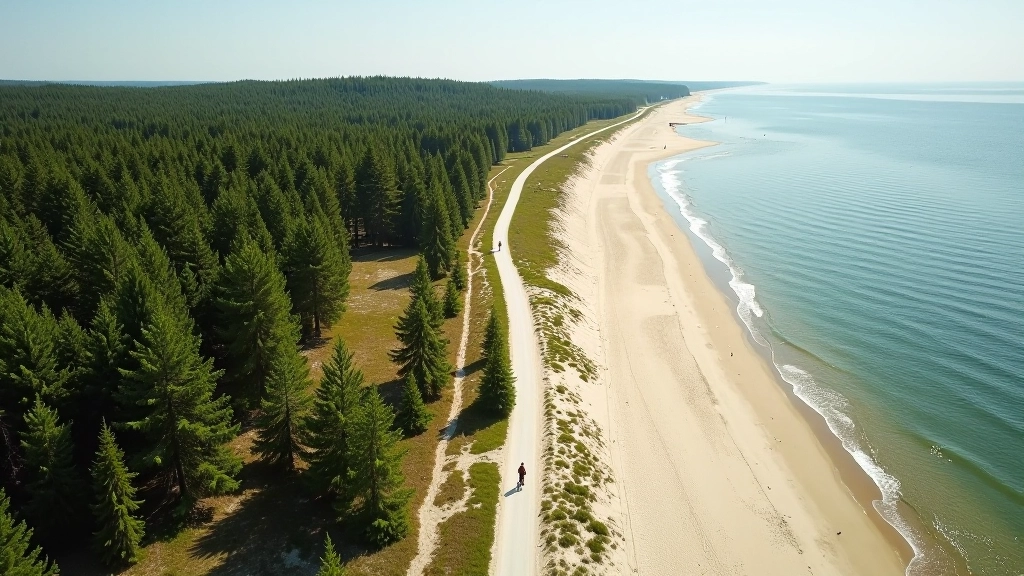
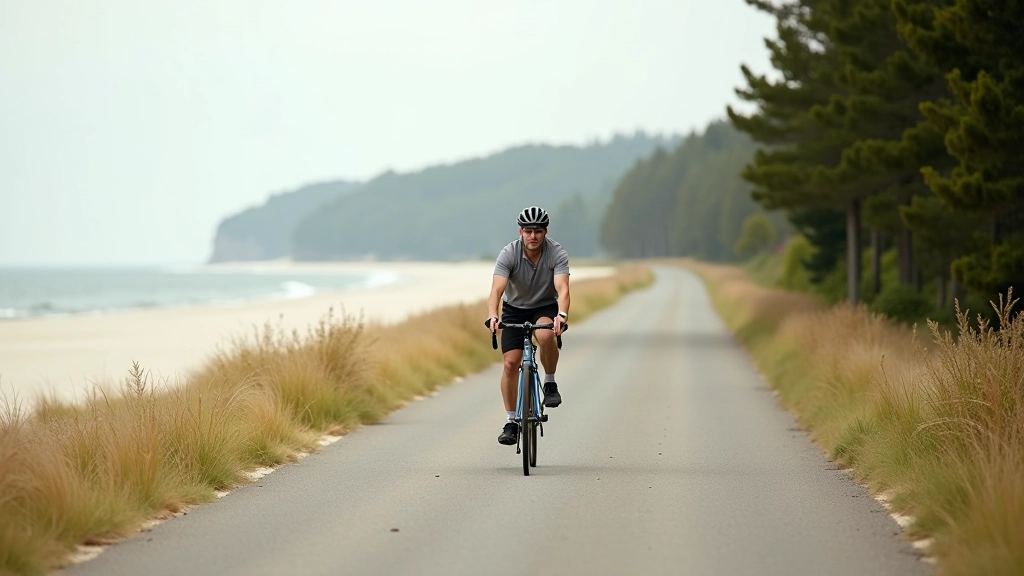
The route starts at the Saulkrasti waterfront and hugs the coastline for the entire journey. You'll spend roughly equal time riding along the dunes themselves and through the protected pine forest that borders them. The path is well-maintained asphalt throughout — no gravel sections or surprise obstacles. Traffic is minimal since most of the route sits on a dedicated cycling path, separate from car roads.
Important Information
This guide is provided for educational and planning purposes. Weather conditions, path maintenance, and accessibility can vary seasonally. Always check current conditions before your ride, wear appropriate safety gear, and follow local cycling regulations. The information here represents typical conditions but shouldn't replace personal assessment of your own fitness and abilities.
The Dune Section — Where the Magic Happens
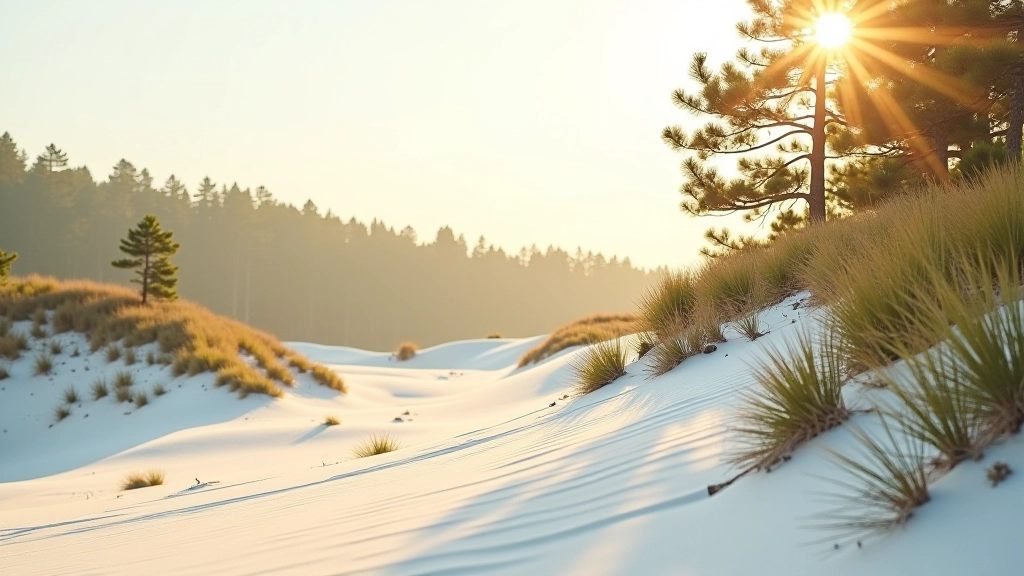
The first 5 kilometers take you directly alongside the white dunes. These aren't small hills — some reach heights of 30 meters, creating a landscape that feels almost desert-like despite being in the Baltics. The path stays at the base of the dunes, so you're always looking up at these geological formations. On clear days, the contrast between the white sand, blue sky, and green vegetation is stunning. You'll want to stop frequently just to take photos.
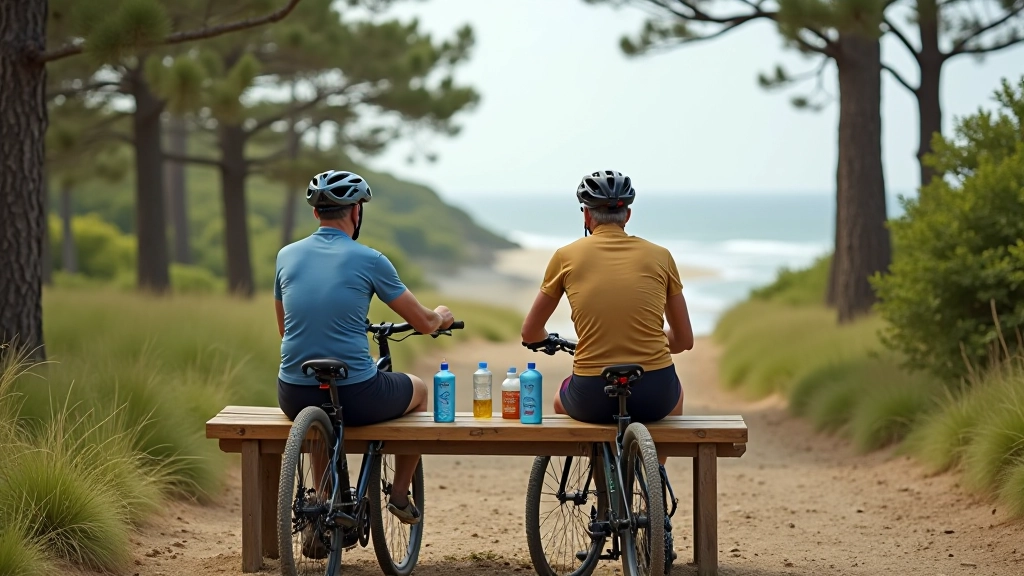
The surface here is perfectly smooth asphalt. You won't experience any bumps or rough patches. Riding speed tends to be steady — not too fast because you're constantly distracted by the views, but also not slow. Most riders find themselves naturally settling into a comfortable pace. There are designated rest areas with benches every 1.5 kilometers or so, though honestly, you'll probably find your own favorite stopping spots along the way.
Into the Pine Forest — The Second Half
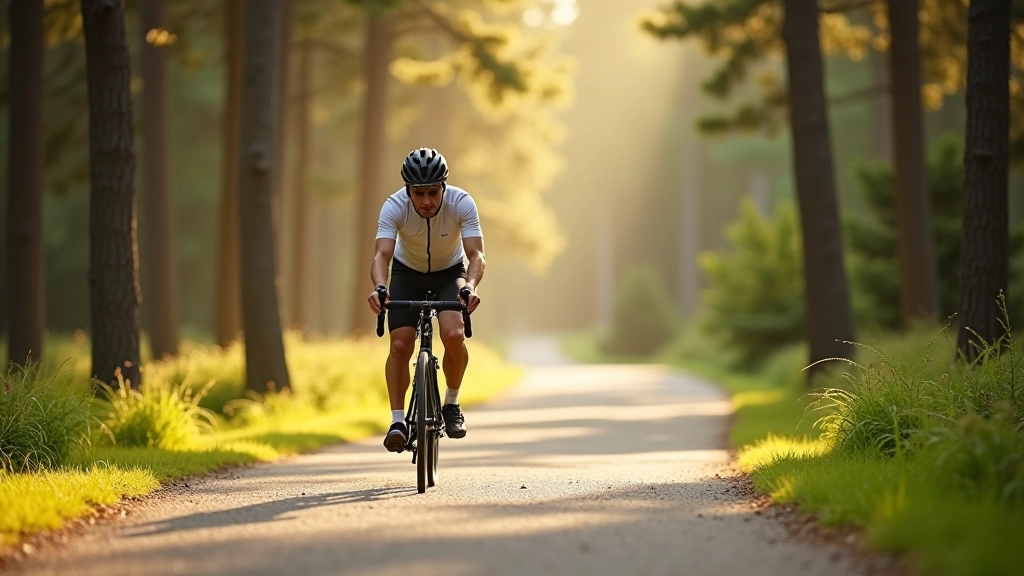
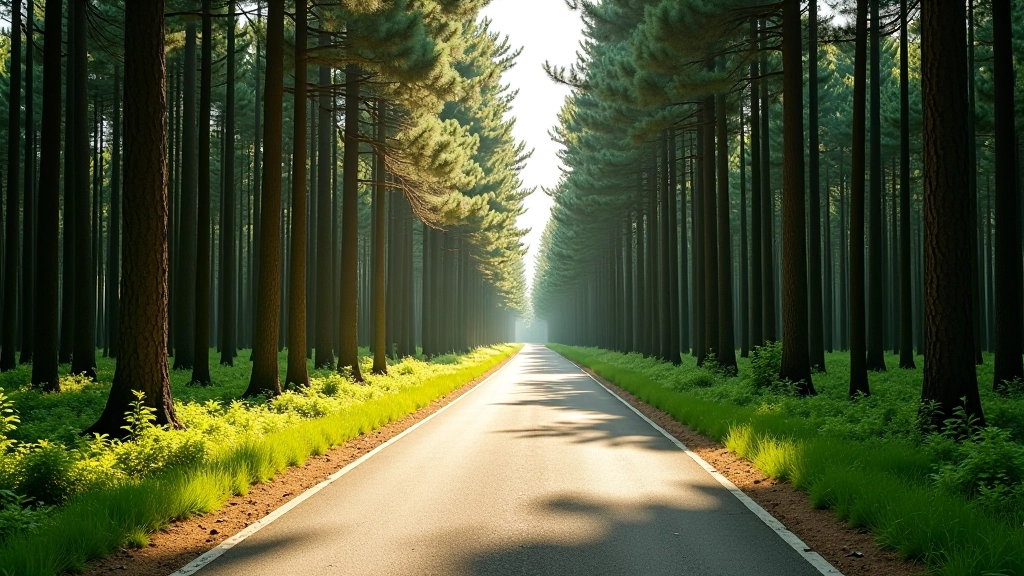
Around the halfway point, the route transitions into a protected pine forest. The temperature drops noticeably — it's cooler here even on warm days because the tree canopy blocks direct sunlight. The air changes too. You'll catch that distinctive pine scent, especially after rain. This section is about 7 kilometers long, and it's where many riders feel most relaxed. The combination of shade, gentle riding, and natural surroundings creates a meditative experience.
The path winds through the forest but never strays far from the coast. You'll catch glimpses of the sea through the trees occasionally. The forest floor is sandy (because you're still on coastal dunes, just covered with trees), which makes the whole environment feel uniquely Latvian. This section has fewer rest stops than the dune area, so plan accordingly if you need to take breaks. The terrain remains completely flat throughout — no surprises or technical sections.
Practical Details for Your Ride
Rest Stops & Facilities
There's a visitor center at the start of the route with toilets, drinking water, and a small café. Additional rest areas with benches are scattered throughout. The closest amenities to the midpoint are back in Saulkrasti town, so don't plan on stopping for lunch halfway through unless you're okay turning back.
Best Time to Visit
Late May through September offers the most pleasant conditions. June and July have the warmest weather and longest daylight hours. April and October are quieter with good riding conditions, though mornings can be cool. Winter isn't recommended — the path can be icy and daylight is limited to just a few hours.
What You'll See
Wildlife is abundant but you're unlikely to see large animals on the path itself. You'll notice various bird species, especially near the water. Vegetation changes throughout the ride — beach grasses on the dunes, tall pines in the forest, wildflowers in spring. The coast offers views across the Gulf of Riga on clear days.
Getting There
The route starts at Saulkrasti waterfront, easily accessible by car or public transport from Riga (about 70 kilometers away). There's a parking area near the visitor center. The route is a point-to-point path, so you'll either cycle back the same way or arrange transport from the endpoint.
Riding Tips That Actually Matter
We've talked to dozens of riders who've done this route. Here's what they say makes the difference between a good ride and a great one.
1
Start Early
Begin your ride before 10 AM if possible. You'll have better light for photos, fewer crowds, and cooler temperatures. The dune section especially benefits from low-angle morning light.
2
Bring More Water Than You Think
The dune section offers no shade, so you'll dehydrate faster than on shaded paths. Carry at least 1.5 liters per person, especially on warm days. The forest section is cooler, but you still need regular hydration.
3
Sunscreen is Non-Negotiable
The white sand reflects sunlight intensely. You'll burn faster than you expect, even if it doesn't feel that hot. Apply sunscreen before you start and reapply after the first rest stop.
4
Don't Rush — You'll Miss Everything
This route is about the journey, not speed. Plan for 2.5 to 3 hours of actual riding time, plus whatever time you want for stops and photos. Most riders spend 4-5 hours total on the route.

Why This Route Deserves a Place on Your List
The Saulkrasti Dune Route combines everything that makes coastal cycling special. You get stunning scenery, completely manageable terrain, and a pace that lets you actually enjoy being outdoors rather than struggling to keep up. It's not a workout route — it's a experience route. And that's exactly why experienced riders keep coming back to it.
Whether you're planning a day trip from Riga or making it part of a longer cycling holiday, this route delivers. The white dunes and ancient pines create a landscape you won't find anywhere else in the region. Start early, bring water, wear sunscreen, and take your time. You'll understand immediately why this path has become a favorite among riders of all levels.