Getting Started with Flat Terrain Cycling
Everything beginners need to know about choosing the right bike, adjusting your seat properly, and building confidence on flat routes.

Why Flat Terrain Is Perfect for Beginning Cyclists
Starting to cycle doesn't mean you need mountains or technical trails. In fact, flat terrain is where most cyclists build their foundation. You'll develop balance, rhythm, and confidence without the extra challenge of managing hills.
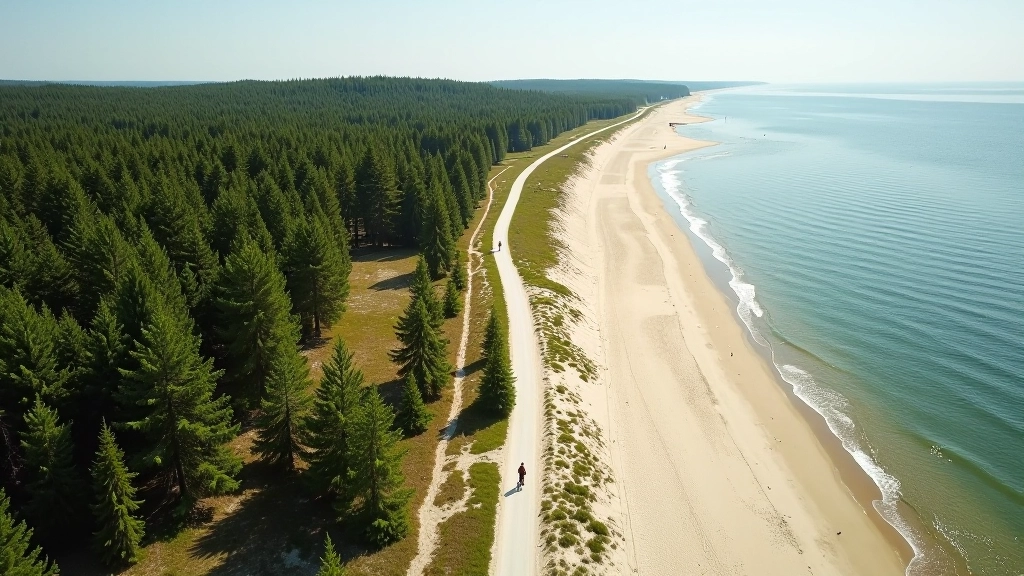
The Saulkrasti dune route — with its smooth white sand paths and gentle forest surroundings — is ideal for learning. But whether you're cycling along the coast or through your neighborhood, flat routes let you focus on the essentials: proper positioning, breathing, and enjoying the ride.
Weeks to build solid cycling fitness
Comfortable distance for beginners
Sessions per week recommended
Choosing Your First Bike
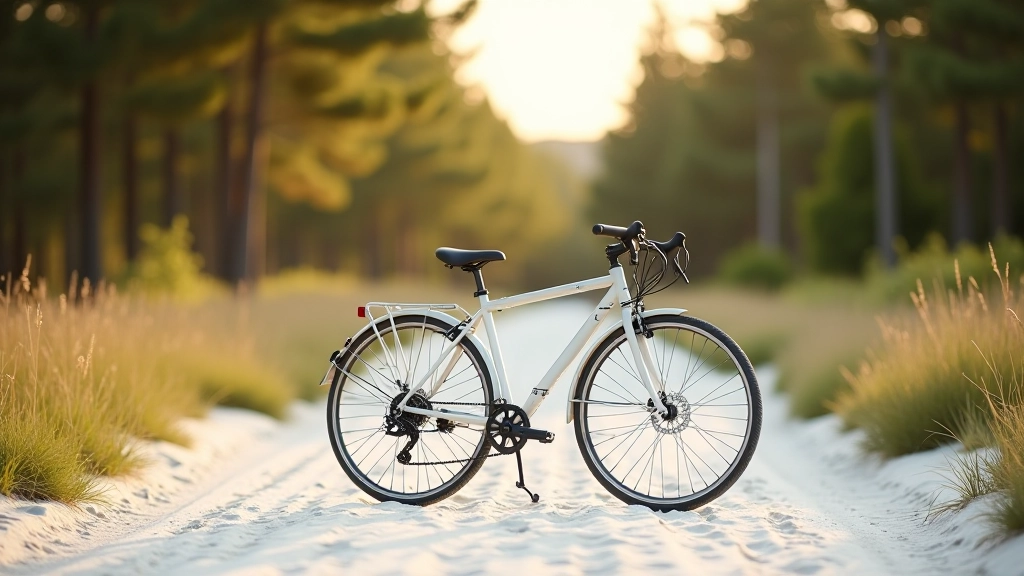
You don't need an expensive bike to start. What matters is that it fits you properly and feels comfortable. A hybrid or comfort bike is ideal — they're more stable than road bikes and easier to control than mountain bikes.
Look for these features: a lightweight frame (aluminum is good), flat handlebars for an upright position, and tires that are wide enough for grip but not so wide they slow you down. Most beginners do well with 28-32mm tires on flat terrain. Don't worry about gear count — a simple 7-speed or 8-speed system is perfect when you're learning.
Spend time at the bike shop testing different models. You'll immediately feel the difference between one that fits and one that doesn't. The seat height should let you have a slight bend in your knee when the pedal's at the bottom. If you're standing up to reach the pedals, something's wrong.
Getting Your Position Right
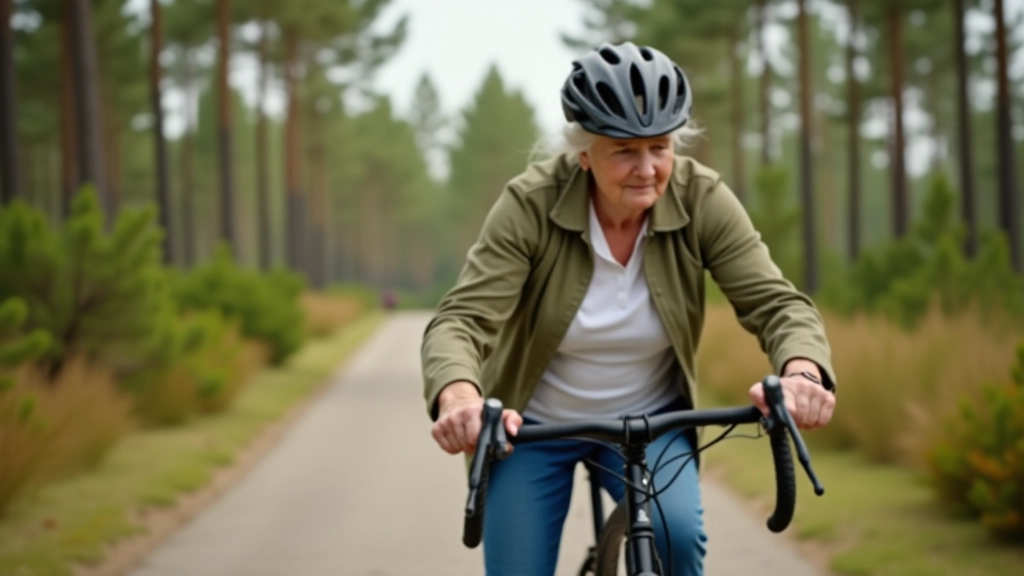
Seat height is the most critical adjustment. It's the difference between comfortable cruising and aching knees after 20 minutes. Here's how to get it right: sit on the seat with the pedal at its lowest point. Your leg should have a slight bend — not locked straight, but not cramped either.
The handlebar height matters too. For flat terrain and comfort cycling, your bars should be at or slightly above seat level. This keeps your back straighter and reduces strain on your neck and shoulders. You're not racing — you're building a foundation that feels good.
Don't overlook your grip. Your hands should rest lightly on the bars, not gripping with tension. If your hands hurt after 30 minutes, the bars might be too low or your posture needs adjustment. Small changes make big differences.
Important Note
This guide is educational and informational. Before starting any new physical activity, especially if you have existing health conditions or haven't exercised regularly, consult with your doctor or healthcare provider. Everyone's fitness level is different, and what works for one person might need adjustment for another. Listen to your body and progress gradually.
Building Your Routine
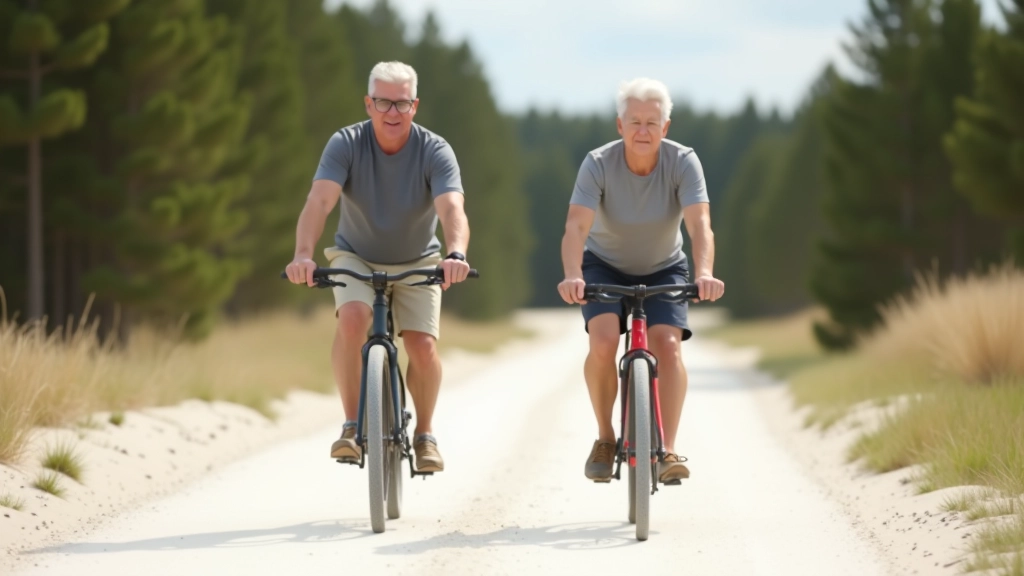
Starting slow is the real secret. It's not about speed — it's about consistency. Three rides per week works well for most beginners. That's enough to build fitness without overwhelming your body. A typical routine might be: Monday 8-10 km easy pace, Wednesday 10-12 km with some varied terrain, Saturday 12-15 km at your comfortable cruising speed.
You'll notice changes around week 4 or 5. Your legs feel stronger. That route that felt long becomes manageable. By week 8, you're cruising distances that seemed impossible when you started. That's not magic — that's your body adapting to consistent, gentle training.
Track your rides if you like — it's motivating to see progress. But don't get obsessed with numbers. The real measure is how you feel: less out of breath, steadier control, more confidence on the bike.
Essential Tips for Flat Terrain Success
Small practices that make a real difference
Wear Proper Gear
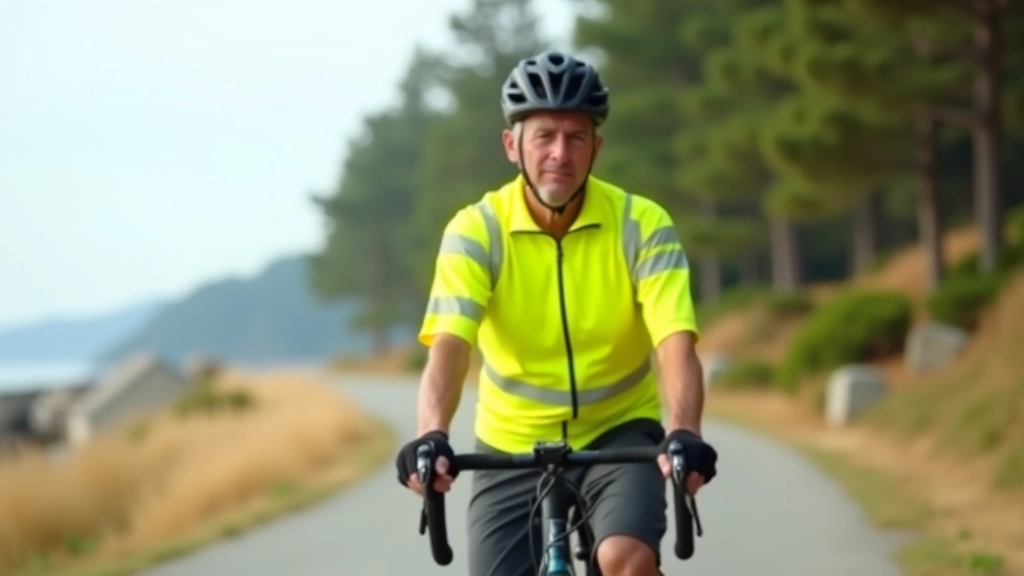
A helmet is non-negotiable. Padded shorts prevent discomfort on longer rides. Moisture-wicking clothing keeps you comfortable in varying weather. You don't need to look like a racer — comfort and safety matter more.
Stay Hydrated
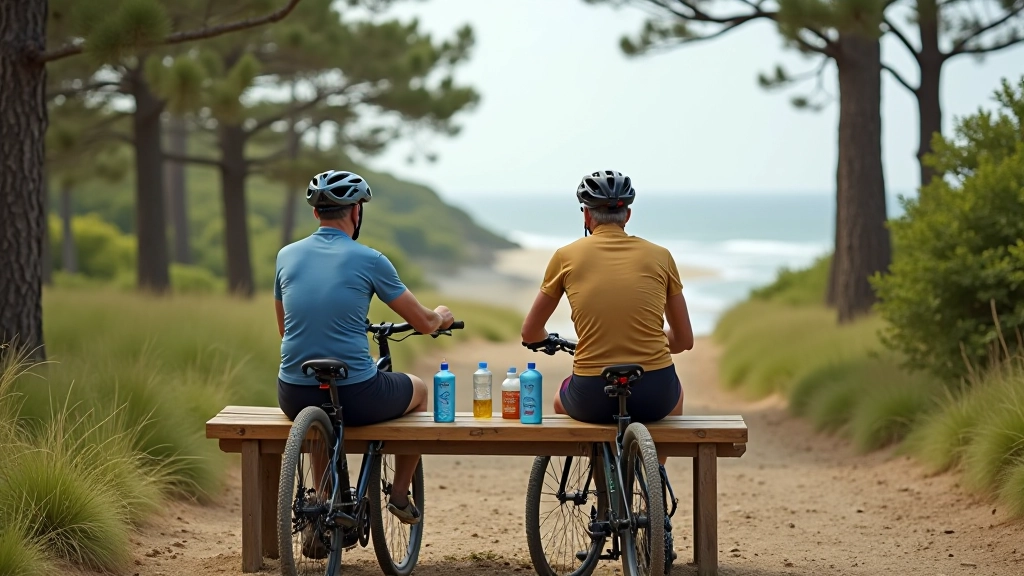
Bring water on every ride. On flat terrain, you might not notice how much you're sweating. Drink before you're thirsty — waiting until you're parched means you're already dehydrated. A small hydration pack or water bottle mount makes this easy.
Check Your Bike Weekly
Quick pre-ride checks prevent problems: tire pressure, brake function, chain tension. Spend 2 minutes before each ride. It takes 20 minutes to walk home if something fails mid-route.
Pace Yourself
You should be able to hold a conversation while riding. If you're gasping for breath, you're pushing too hard. Flat terrain lets you ride longer distances at lower intensity — that's where fitness happens.
Stretch After Riding
10 minutes of gentle stretching prevents stiffness and keeps you flexible. Focus on calves, quads, and hip flexors. You'll feel better the next day, and it reduces soreness as your body adapts.
Ride With Purpose
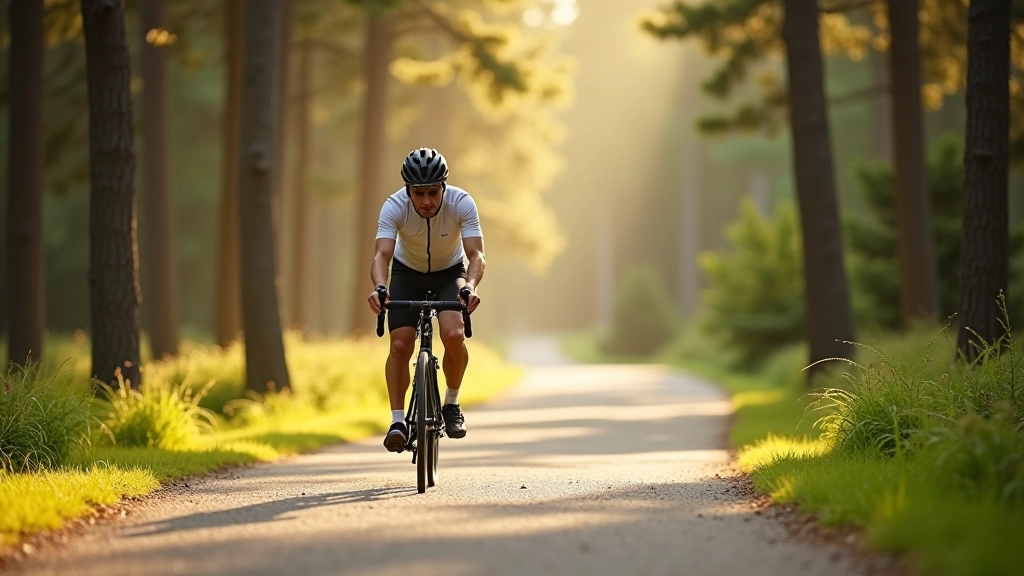
Mix your routes. Vary your distance. Some rides are for distance, some for enjoying the scenery. The Saulkrasti route, for example, combines fitness training with beautiful coastal views — that's the ideal combination.
Flat Routes Worth Exploring
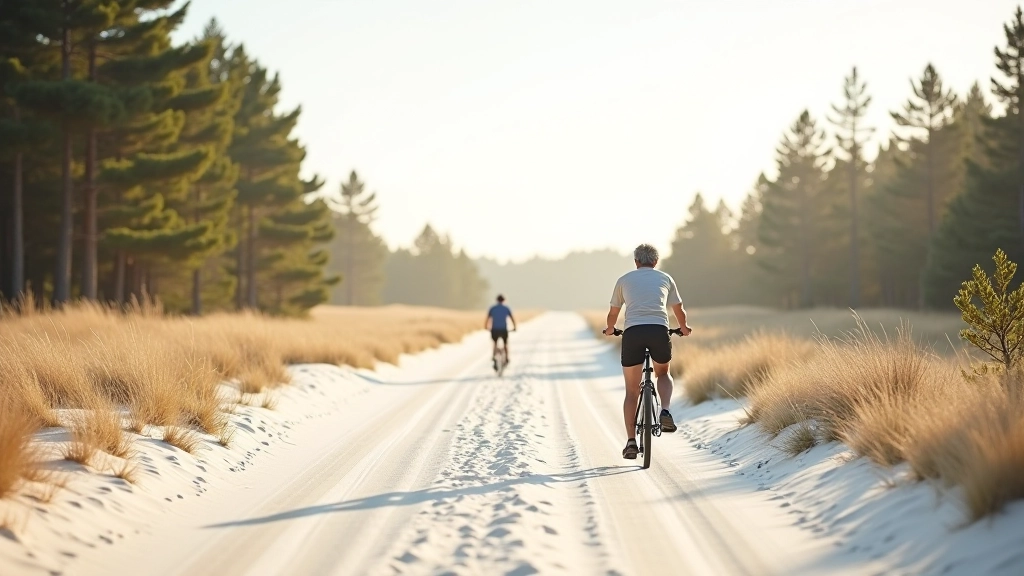
The Saulkrasti dune route is a masterpiece for beginners. It's approximately 12 kilometers round trip with stunning scenery — white sand, pine forest, and coastal views. The surface is firm enough for a hybrid bike, and there's virtually no elevation change. You'll finish your ride feeling accomplished, not exhausted.
Look for similar routes in your area: canal paths, coastal promenades, converted rail trails, or park loops. These routes share what makes flat terrain perfect for learning: predictable conditions, minimal traffic, and space to develop your skills safely.
Start with 8-10 kilometer routes. Build to 12-15 kilometers over 6-8 weeks. By then, you'll have the fitness and confidence to explore longer routes or even tackle gentle hills if you want to. But honestly? Many experienced cyclists prefer flat terrain. There's a reason — it's genuinely enjoyable.
Your Cycling Journey Starts Here
Getting started with cycling isn't complicated. A decent bike, proper adjustment, and consistent practice is all you need. Flat terrain removes the barriers that intimidate beginners — hills, technical skills, extreme exertion. What's left is pure cycling: the rhythm of pedaling, fresh air, and the satisfaction of moving under your own power.
You'll surprise yourself. Routes that seemed long become comfortable. Your legs get stronger. Your confidence builds week by week. And you'll discover something unexpected: cycling becomes part of your life, not something you force yourself to do.
Grab a bike, check the weather, and get out there. The flat routes are waiting.