Safety Tips for Older Cyclists
From choosing the right helmet to checking your bike before each ride. Practical safety measures that make cycling enjoyable and worry-free for pensioners.
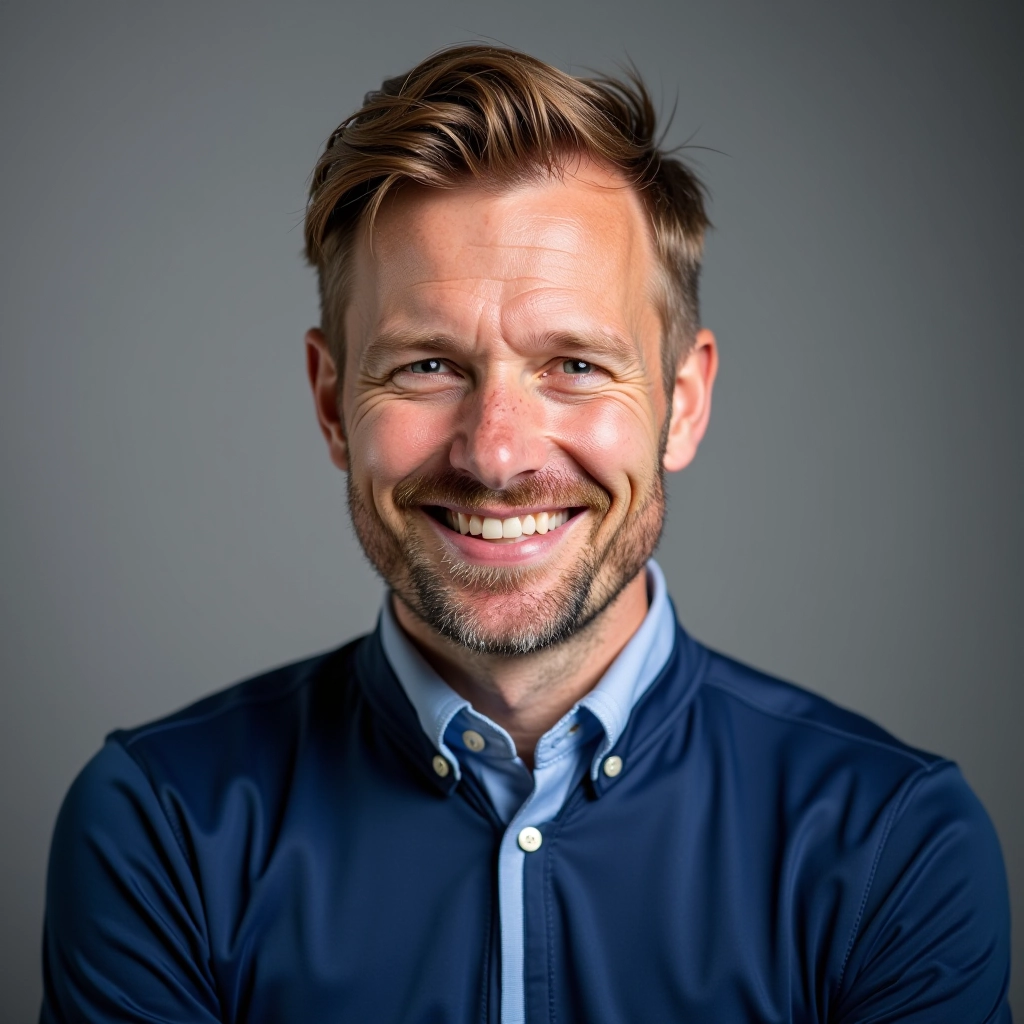
Why Safety Matters on Two Wheels
Cycling's one of the best ways to stay active as you get older. You're getting fresh air, strengthening your legs, and enjoying the Latvian coast. But here's the thing — cycling does come with real risks, especially if you're riding on roads or uneven paths.
The good news? Most accidents aren't unavoidable. They happen because someone skipped a safety check or didn't see an obstacle coming. We're going to walk you through the practical steps that actually prevent problems. Not the scary stuff — just what works.
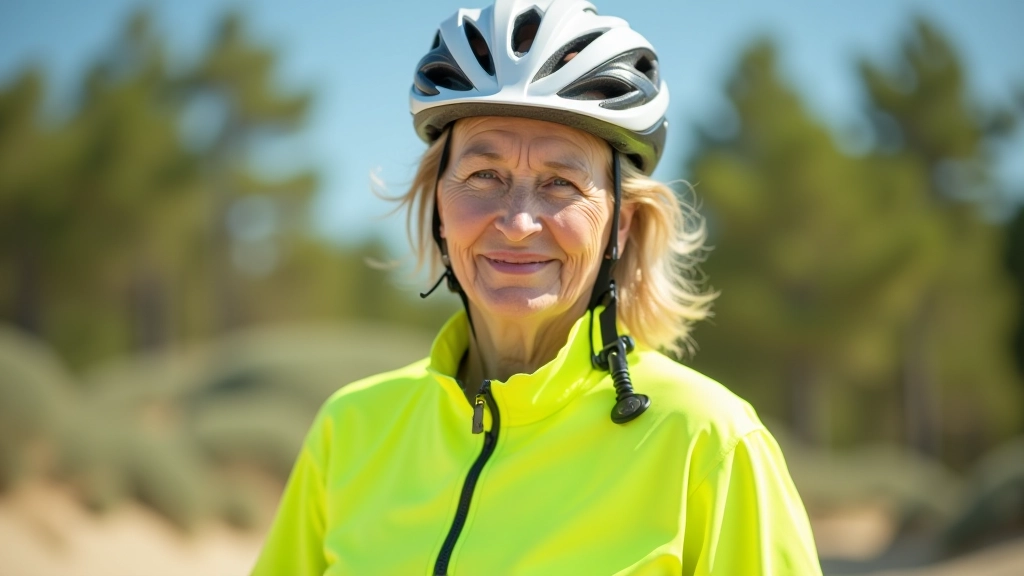
The Helmet: Your First Line of Defense
You've probably heard this before, but we're saying it because it matters. A helmet isn't going to stop all head injuries, but it reduces serious injury risk by around 70 percent. That's not a small number.
What matters most is fit. A loose helmet that slides around won't protect you when you need it. Here's what you're looking for:
- Sits level on your head, not tilted back or forward
- Straps form a V-shape under your ears when fastened
- You can't pull it more than an inch in any direction
- Chin strap is snug but doesn't choke you
Replace your helmet after a crash, even if you can't see damage. The foam inside absorbs impact — one good hit and it's done its job. Most helmets last about 5 years anyway before the materials start breaking down.
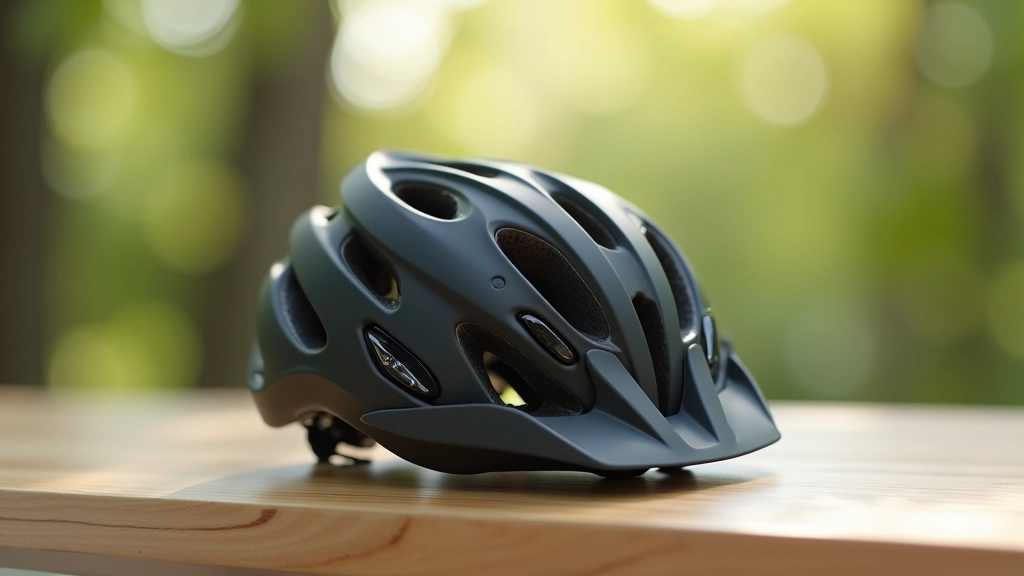
Important Note
This article is informational only and isn't medical or safety advice. Everyone's situation is different — your fitness level, your balance, your eyesight, the terrain you're riding. If you have health concerns, talk to your doctor before starting or continuing a cycling routine. Safety tips are guidelines, not guarantees. Always ride within your abilities and follow local traffic laws.
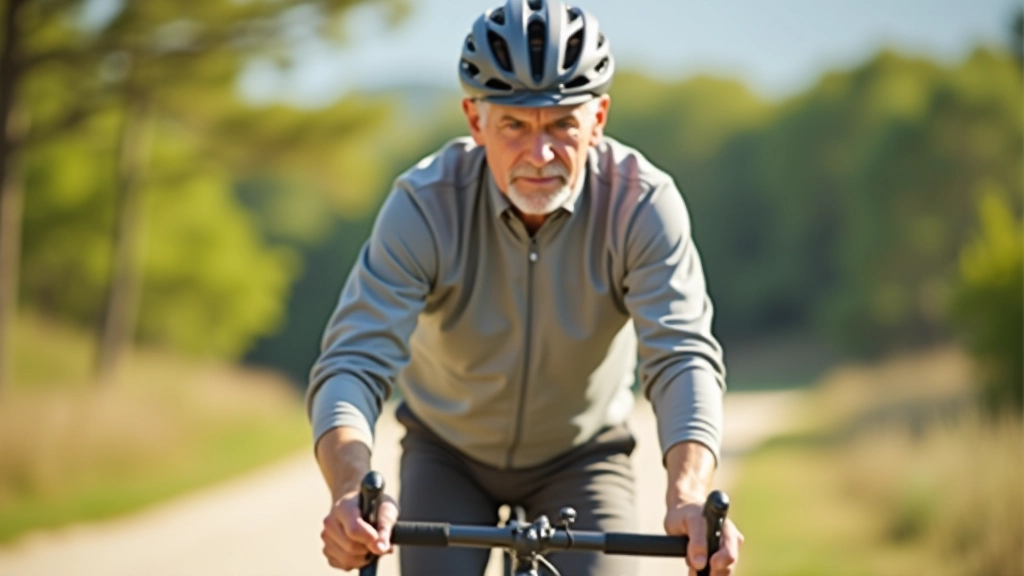
Pre-Ride Bike Checks That Take 3 Minutes
A quick check before you leave prevents most mechanical problems on the road. You don't need tools — just your eyes and hands.
Do this every time:
- Brakes. Squeeze both levers. They shouldn't touch the handlebars. Release them and listen for squeaking or grinding. If the brake lever goes soft, don't ride.
- Tires. Spin each wheel. Look for obvious cuts, thorns, or bulges. Press the tire with your thumb — it shouldn't feel squishy. Add air if needed.
- Chain. Pedal backwards. The chain should move smoothly. If it's skipping or sounds rough, it needs attention before your next ride.
- Lights and reflectors. Check that lights work (test on sunny days too — they're easy to miss). Reflectors should be clean and facing outward.
That's it. Four things. If anything feels off, don't ignore it. Better to miss one ride than deal with a breakdown halfway through the route.
Being Seen Matters More Than You Think
Most accidents involving cyclists happen because a car driver didn't see them. It's not malice — it's visibility. A person on a bike is small and easy to miss, especially if you're wearing dark colors or riding at dawn or dusk.
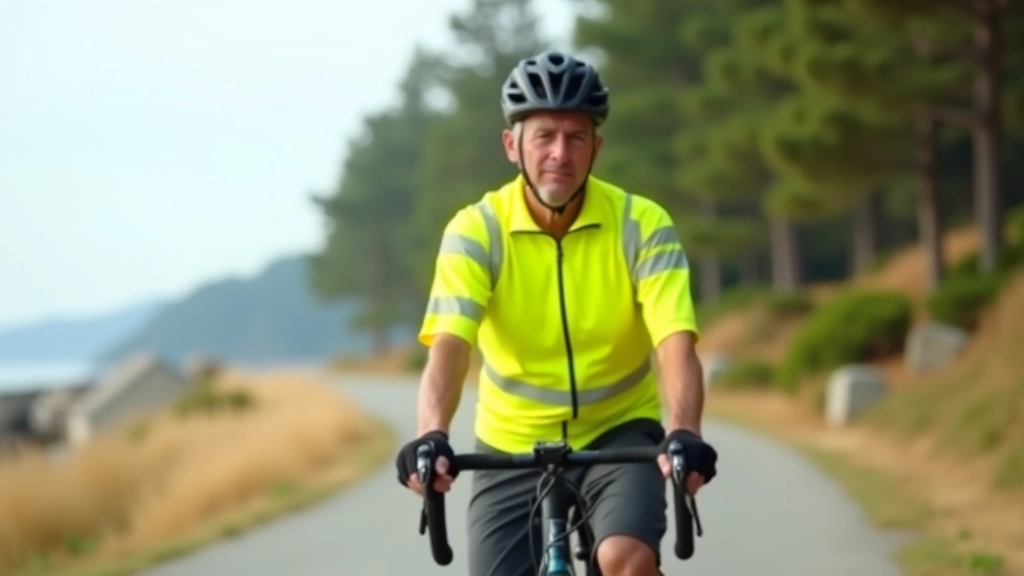
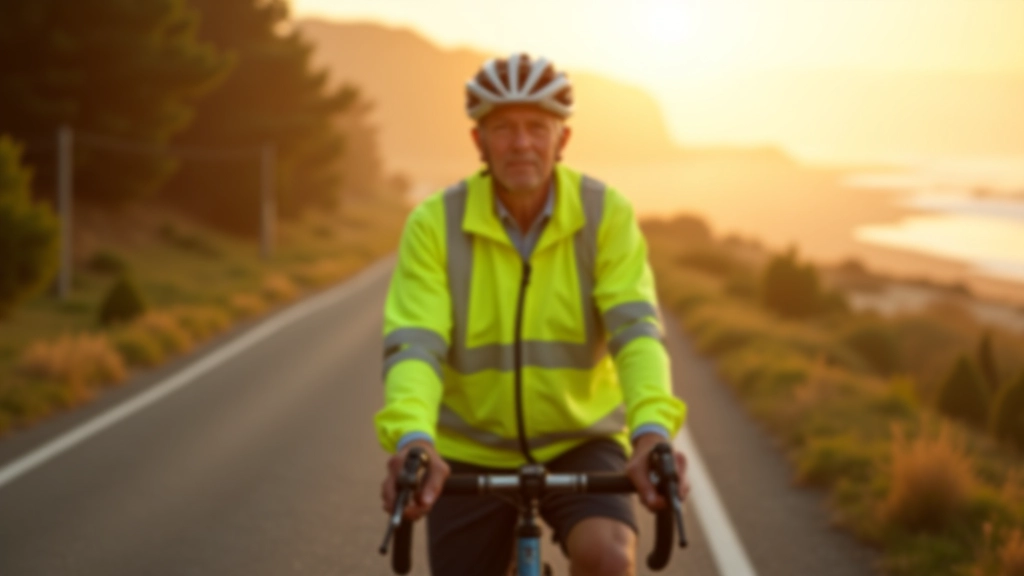
Wear bright colors — yellow, orange, or white stand out. A reflective vest is the single best investment you can make. We're not exaggerating. Studies show drivers notice reflective gear from three times the distance compared to dark clothes.
If you ride before 7 AM or after 5 PM, you legally need lights in most countries. Front light (white), rear light (red). They don't have to be expensive — a basic set is around €15-20 and lasts for months on batteries.
Posture and Balance Keep You Stable
Your body position affects everything — balance, control, and how quickly you can react. Most older cyclists slouch, which actually makes balance harder.
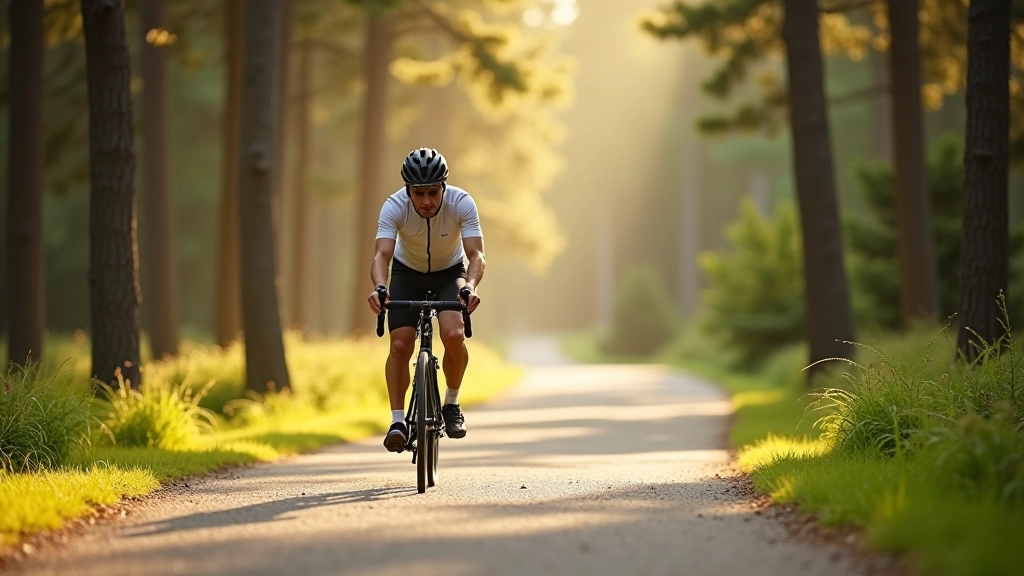
What works: sit upright but not rigid. Your shoulders should be relaxed. You want a slight bend in your elbows so you can absorb bumps. If you're leaning forward with locked arms, you're setting yourself up for wrist injuries when you hit a pothole.
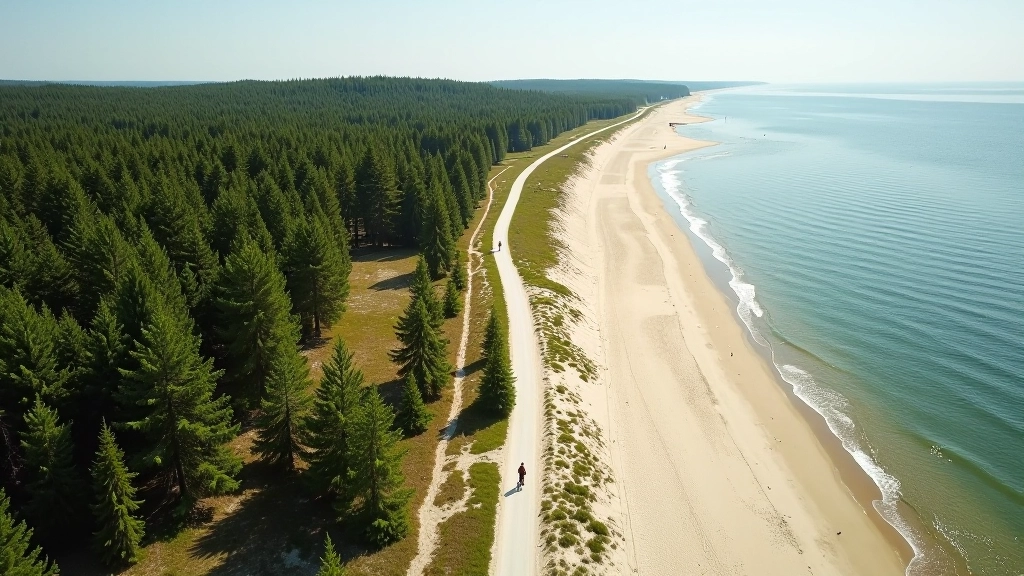
On flat terrain like the Saulkrasti route, an upright position is perfect. You get better visibility, less strain on your wrists, and more control. Yes, you'll go slightly slower — that's actually a good thing. You're riding to enjoy it, not race.
The Essentials: Five Things That Actually Prevent Accidents
1
Fitted Helmet
Level on your head, snug straps, replaced every 5 years or after crashes.
2
Bright Clothing
Reflective vest and lights for early morning or evening rides. Visibility saves lives.
3
Working Brakes
Test before every ride. Soft levers or grinding sounds mean stop riding until they're fixed.
4
Proper Posture
Upright position with relaxed shoulders. Better balance, better control, better view.
5
Know Your Limits
Ride at your pace. Skip steep routes if you're uncomfortable. Flat terrain is perfectly fine.
The beautiful thing about cycling on routes like Saulkrasti? You control the pace. There's no pressure. You can stop anytime, walk your bike on tricky sections, or turn back if you're tired. Safety is just about making smart choices before you ride, not limiting yourself afterward.