Training and Fitness for Cycling
Build stamina gradually. Discover stretching routines, hydration strategies, and how to pace yourself for longer rides without overdoing it.

Why Fitness Matters for Cycling
Cycling's a sport that looks simple from the outside, but there's real science behind it. Your body needs proper conditioning to handle distance, manage fatigue, and enjoy rides without pain. It's not about going fast — it's about going far comfortably.
Most riders who struggle aren't unfit. They're undertrained. There's a difference. Training builds the specific muscles, cardiovascular capacity, and mental toughness that cycling demands. You'll notice improvements within 3-4 weeks of consistent work.
Key Areas to Build
- Leg strength and endurance
- Cardiovascular fitness
- Core stability
- Flexibility and mobility
- Mental resilience
Building Aerobic Base
Your aerobic base is everything. It's the foundation that lets you ride for hours without burning out. Most cyclists make the mistake of doing too much intense work too soon. Don't do that.
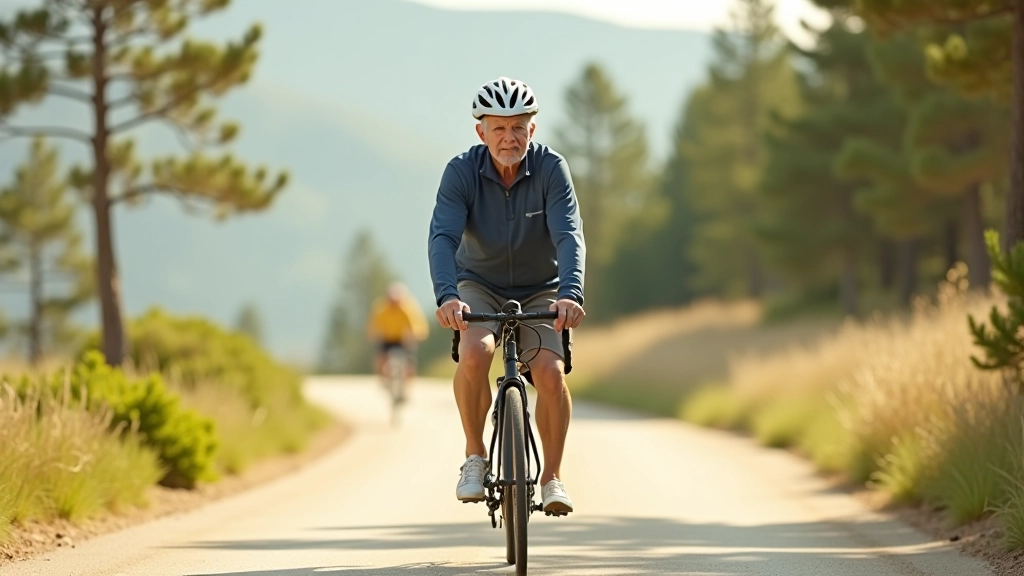
Start with steady-paced rides at conversational intensity. You should be able to talk but not sing. These rides train your body to burn fat efficiently and build mitochondrial density — the cellular powerhouses that create energy. Three rides per week for 4-6 weeks gets most people noticeable improvements.
Distance matters less than consistency. A 45-minute ride twice a week beats a single 3-hour ride. Your body adapts to regular stimulus better than sporadic big efforts. Track your rides and gradually add 5-10% more distance every two weeks.
Stretching and Flexibility Work
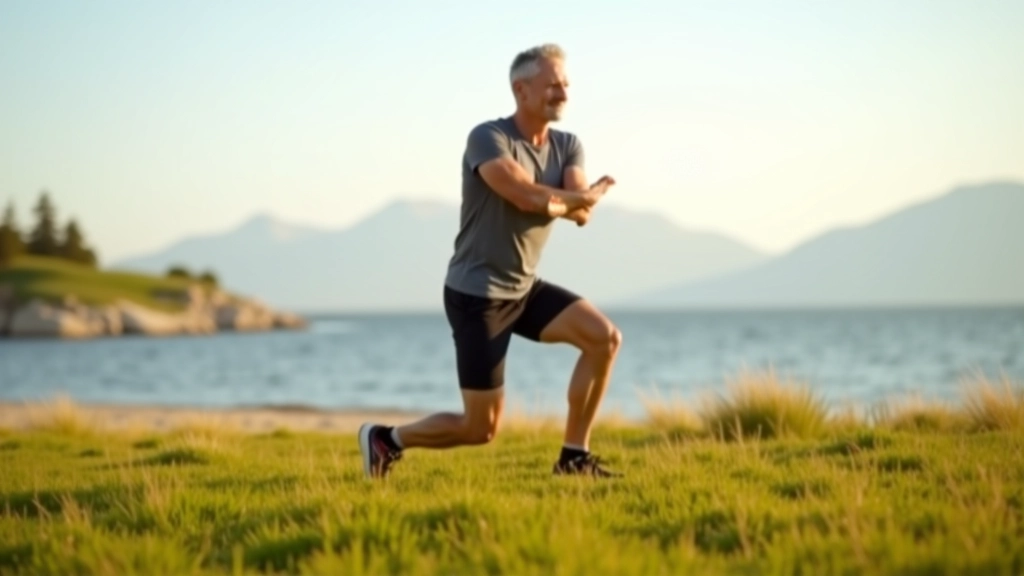
Tight hips and hamstrings are the cyclist's curse. They kill your pedaling efficiency and create lower back pain. Spend 15 minutes daily on stretching — don't skip this part.
Focus on these areas: hamstrings, hip flexors, glutes, calves, and lower back. Hold each stretch for 30 seconds, repeat twice. Do this after rides when muscles are warm. The improvements come faster than you'd think — many riders report better knee alignment and less soreness within two weeks.
Yoga's helpful too. It's not just stretching — it builds stability and body awareness. One 45-minute session weekly makes a real difference in how your body handles the bike.
Important Notice
This article provides educational information about cycling fitness training. It's not medical advice. If you have existing injuries, joint problems, or health conditions, consult with a doctor or physical therapist before starting any new training program. Everyone's fitness level is different — start conservatively and progress gradually. Listen to your body.
Smart Hydration and Nutrition
You can't train hard if you're dehydrated. It's that simple. Drink before you're thirsty — by the time thirst hits, you're already losing performance.
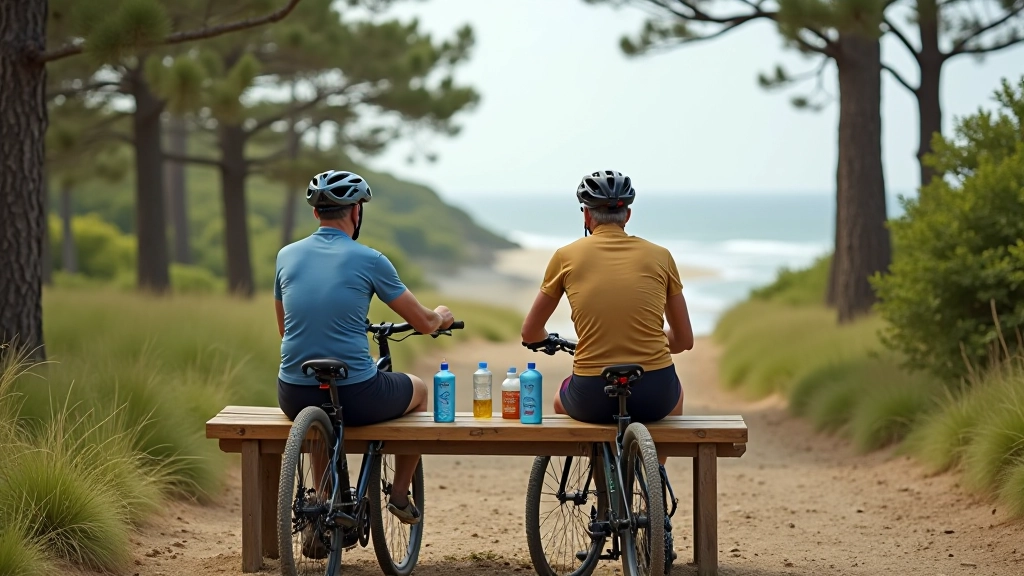
For rides under 60 minutes, water's enough. Beyond that, you need carbs and electrolytes. A basic sports drink works fine. Aim for 500ml per hour. Bring snacks too — energy bars, bananas, or dates work well. Eat something every 90 minutes on longer rides. Your legs will thank you.
Post-ride nutrition matters as much as during-ride fuel. Within 30 minutes of finishing, eat something with carbs and protein. This kicks-starts recovery. A banana with peanut butter or a recovery drink does the job.


Pacing and Recovery
Pacing is an art. Most beginners either go too fast and burn out, or too slow and don't build fitness. The sweet spot? You should feel challenged but not destroyed. After a ride, you should have energy left — not be completely wiped.
Recovery's where the actual training happens. Your body builds strength during rest, not during the ride. This means sleep matters. Aim for 7-9 hours. Rest days matter too — take at least one full day off per week. Your legs need it.
Listen to your body's signals. If you're consistently tired, sore, or unmotivated, you're probably doing too much. Cut back. Rest doesn't mean weakness — it means you're training smart. Build slowly and you'll ride stronger and longer.
Start Your Training Journey
Fitness for cycling doesn't happen overnight, but it does happen. Three to four weeks of consistent, sensible training and you'll feel noticeably stronger. Eight weeks in, you'll be surprised at what your body can do.
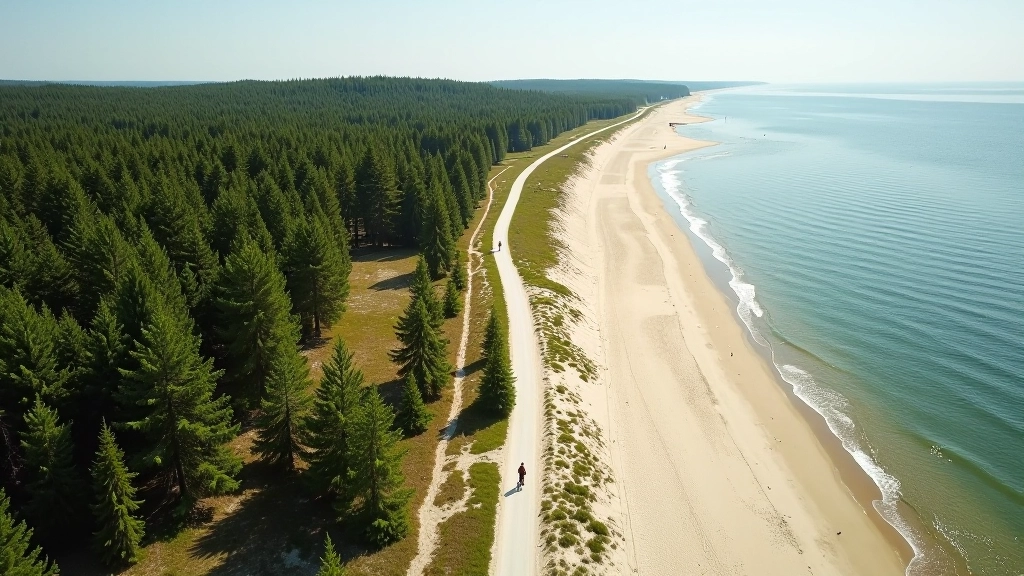
The key's consistency over intensity. Regular rides, smart stretching, proper nutrition, and real rest — that's the formula. You're not training to compete. You're training to enjoy riding longer, feeling better, and exploring more of those beautiful routes around Saulkrasti.
Ready to ride? Check out the detailed route guides and safety tips for your next adventure.
Explore the Dune RouteRelated Articles